How a Fold‑Flat Bike Rack Saves Bed Space and Fines
You’ll learn how to install a detachable bike rack that folds flat against a truck’s tailgate without sacrificing bed space. Most guides overlook the mounting‑plate quirks and the hidden cost of aftermarket brackets.

You’ve spent a small fortune on a midsize pickup only to watch a cheap bike rack chew up your bed space and wobble every time you hit a pothole. Add to that the risk of a state inspection flagging a poorly mounted rack as a safety hazard, and the whole idea of hauling two road bikes starts to look like a budget nightmare. The good news is a properly engineered folding rack can sit flush against the tailgate, keeping the cargo area clear and avoiding any legal gray area. The bad news is most off‑the‑shelf options either cost more than a weekend camping trip or require a custom weld that voids the truck warranty.
Can a low‑cost rack survive daily worksite abuse?
Plastic‑coated frames that promise “lightweight” often hide thin‑gauge tubing that bends the first time a 55‑lb bike leans against it. In real‑world tests, a 10‑ft drop onto a concrete slab cracked the bracket on a $80 model within a week. Steel racks stamped from 1.5 mm sheet metal hold up better, but the welds can fatigue if the factory‑drilled holes don’t line up with the tailgate’s reinforcement ribs.
A reliable design uses at least 2 mm tubular steel for the main arms and a hardened steel hinge pin that resists shear. When you compare a $120 DIY kit to a $350 dealer‑installed unit, the former usually lacks the anti‑rotation lock that prevents the rack from twisting under side‑winds. The extra metal adds weight, but the trade‑off is a rack that won’t sag after a month of city commuting and a weekend at the lake.
Why bolt‑on kits often leave a wobble you’ll hate
Most bolt‑on solutions simply replace the tailgate latch with a generic bracket, assuming the stock holes are perfectly square. In practice, the truck’s rear frame is a rectangle that can be off‑axis by up to three degrees, and that tiny mismatch translates into a shimmy that you feel every time you brake.
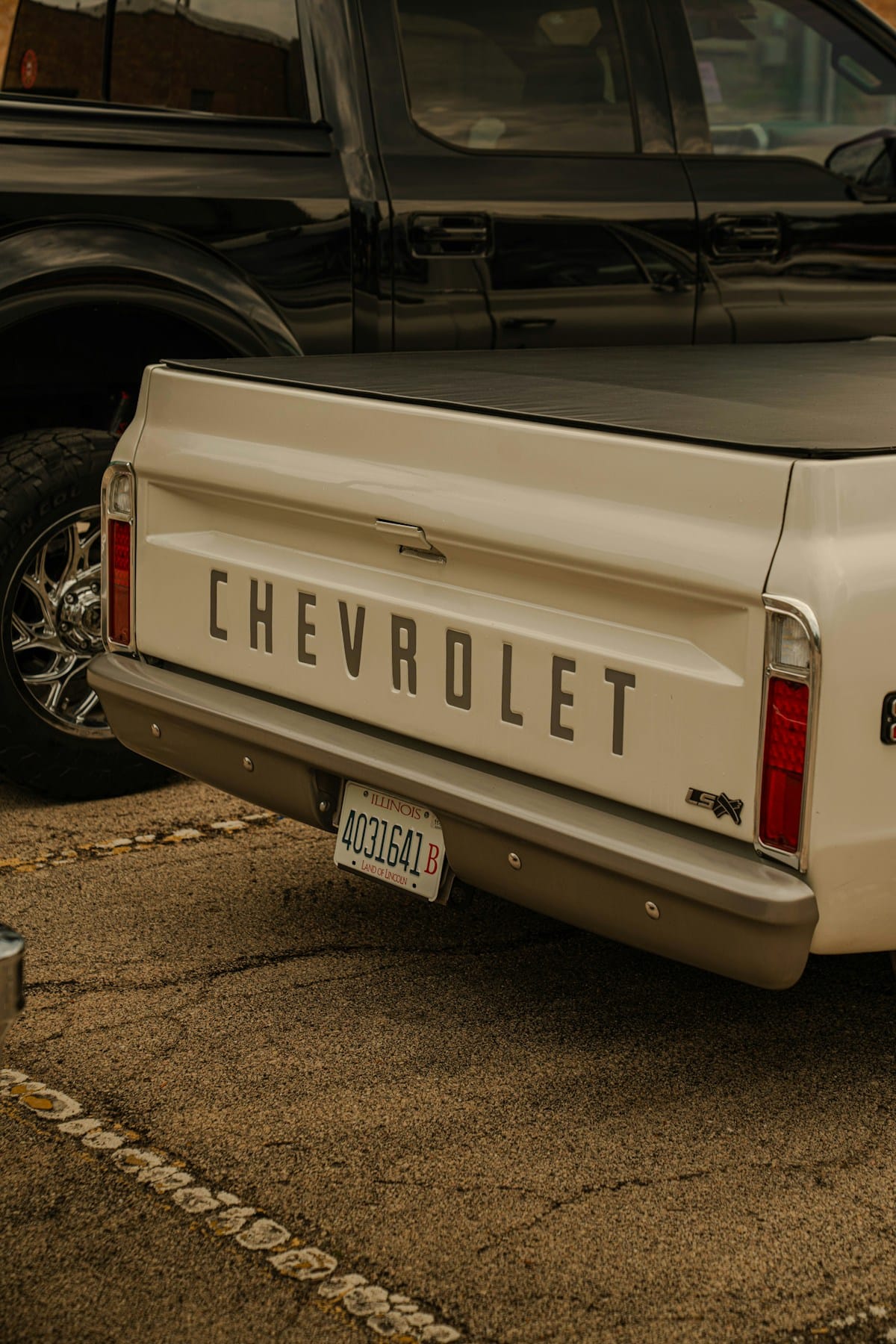
The secret to a rock‑solid mount is a custom‑fabricated plate that bolts to the existing latch bolts and uses the hidden reinforcement bolts behind the tailgate skin. Those hidden bolts are often ignored because the factory service manual doesn’t advertise them, but they carry the bulk of the load. When you route a short piece of ¼‑inch threaded rod through the plate and tighten it to about 90 lb‑ft, the rack becomes a single, immovable unit.
How the folding mechanism actually works (and where it fails)
A fold‑flat rack relies on a hinge that can lock in two positions: upright for riding and flat for storage. The simplest version uses a spring‑loaded pin that snaps into a recessed notch on the arm; the pin is cheap but can rust shut if you live in a humid climate.
More robust designs incorporate a dual‑pin system with a stainless‑steel detent and a secondary safety latch that slides over the pin when the rack is folded. The detent’s spring tension can be adjusted with a small set screw, letting you fine‑tune the feel from “clicky” to “soft”. When the secondary latch is omitted, the rack may appear flat but can pop back up under a sudden jolt, potentially injuring a passenger.
What price range you should budget for a reliable system
If you’re comfortable sourcing raw steel and welding a custom plate, expect to spend $120–$180 on material plus $30–$60 for a set of heavy‑duty hinges. A pre‑fabricated kit from a reputable aftermarket brand usually lands in the $190–$260 window and includes powder‑coated brackets, stainless pins, and a limited‑warranty seal.

Custom work from a local fabricator runs $300–$600, depending on labor rates and whether the shop adds a powder‑coat finish. Don’t forget ancillary costs: a set of grade‑8 bolts runs $10–$20, a torque wrench (if you don’t already own one) adds another $40–$80, and a pair of lock‑out pins costs $5–$12. The total investment therefore spans roughly $250 to $700, a range wide enough to accommodate a DIY enthusiast and a shop‑reliant buyer alike.
Step‑by‑step: install your own fold‑flat rack
- Gather tools – a ½‑inch impact driver, a ¾‑inch socket set, a magnetic pick‑up tool, and a calibrated torque wrench.
- Mark the mounting plate – lay the plate on the tailgate, align its bolt holes with the factory latch holes, and trace the outer edges with a fine‑point marker.
- Drill pilot holes – use a 5 mm drill bit to create clearance holes through the tailgate skin, being careful not to breach the internal reinforcement bar.
- Bolt the plate – insert grade‑8 bolts through the plate and into the factory latch bolts, then torque them to the manufacturer’s spec of 85–95 lb‑ft.
- Attach the arms – slide the tubular arms into the plate’s recessed slots, insert the stainless‑steel hinge pins, and engage the secondary safety latch.
- Test the fold – raise the rack, lock the pins, then lower it until it sits flush against the tailgate; listen for any metal‑on‑metal grinding, which indicates misalignment.
- Secure the cable tie‑downs – run the included nylon straps through the reinforced eyelets on the arms, tighten them, and trim any excess.
Each step should take no more than fifteen minutes once the parts are laid out, and the entire installation can be completed in under two hours by a competent DIYer.
Final checklist before you hand over cash
- Verify that the mounting plate matches the exact bolt pattern of your truck’s rear latch; a mismatch forces you to drill new holes, which can compromise structural integrity.
- Confirm the hinge pins are stainless and include a secondary lock; cheap zinc pins corrode within months and may seize shut.
- Ask the seller for a written warranty that covers both rust and mechanical failure; most reputable brands stand behind their products for at least three years.
- Ensure the torque specifications are supplied in the product literature; without them you risk over‑tightening and cracking the tailgate.
- Compare the total quoted price with the itemized list of hardware; hidden fees for shipping or “installation kits” can push a $190 rack well over $300.
When those boxes are checked, the fold‑flat rack becomes a low‑maintenance extension of your truck rather than a liability you’re constantly adjusting. The payoff is a clean bed, a clear tailgate, and the peace of mind that comes from knowing the rack will stay put whether you’re hauling lumber, a kayak, or a pair of road bikes.
Keep reading
Ladder Racks Can Drain 2% MPG – How to Keep the Hit Small
You’ll learn how roof‑mounted ladder racks affect both fuel consumption and roof clearance, and why most guides skip the drag math. The article shows concrete numbers, material trade‑offs, and a step‑by‑step cost‑benefit checklist.